


Holiday Phishing: Why Threat Actors Love July 1st & 4th
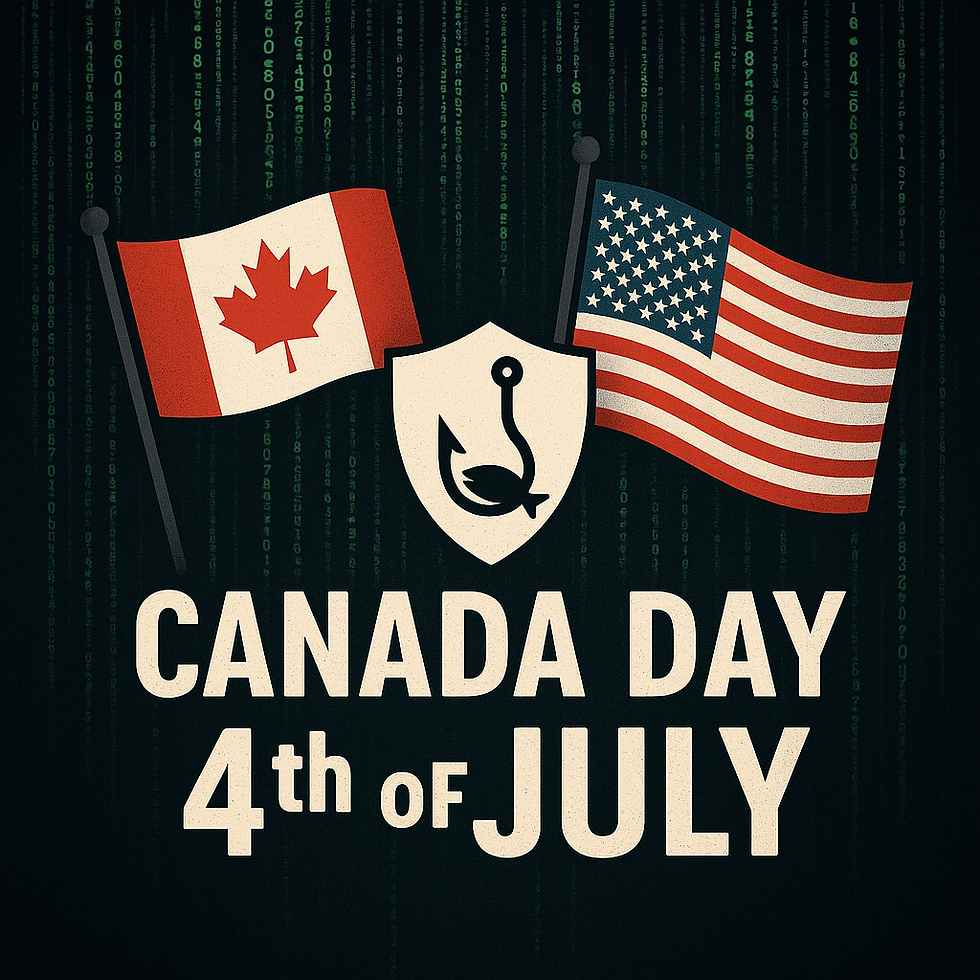
As Canadians celebrate Canada Day on July 1st and Americans gear up for Independence Day on July 4th, many people look forward to long weekends, barbecues, and time off. Unfortunately, cybercriminals do too.
Phishing campaigns often spike during these national holidays, and it’s not a coincidence. Threat actors know that during these periods:
Security staffing is often reduced
Employees are more likely to check email on mobile devices or while distracted
People expect promotional emails, travel confirmations, and social invites—making fake emails easier to disguise
Attackers exploit this relaxed atmosphere by sending malicious emails disguised as:
Fake shipping notifications (“Your July 4th BBQ grill is arriving!”)
Bogus travel updates or itinerary changes
Gift card scams and limited-time holiday offers
Messages that appear to come from HR or leadership with "urgent" requests
What You Can Do:
Be extra cautious with email links and attachments around holidays
Use multi-factor authentication wherever possible
Verify suspicious emails with IT or leadership before taking action
Ensure your security team has coverage plans in place for long weekends
Hackers don’t take holidays. Neither should your cyber hygiene.
Stay vigilant. Stay safe.
Comments